Robotic Lawn Mowers
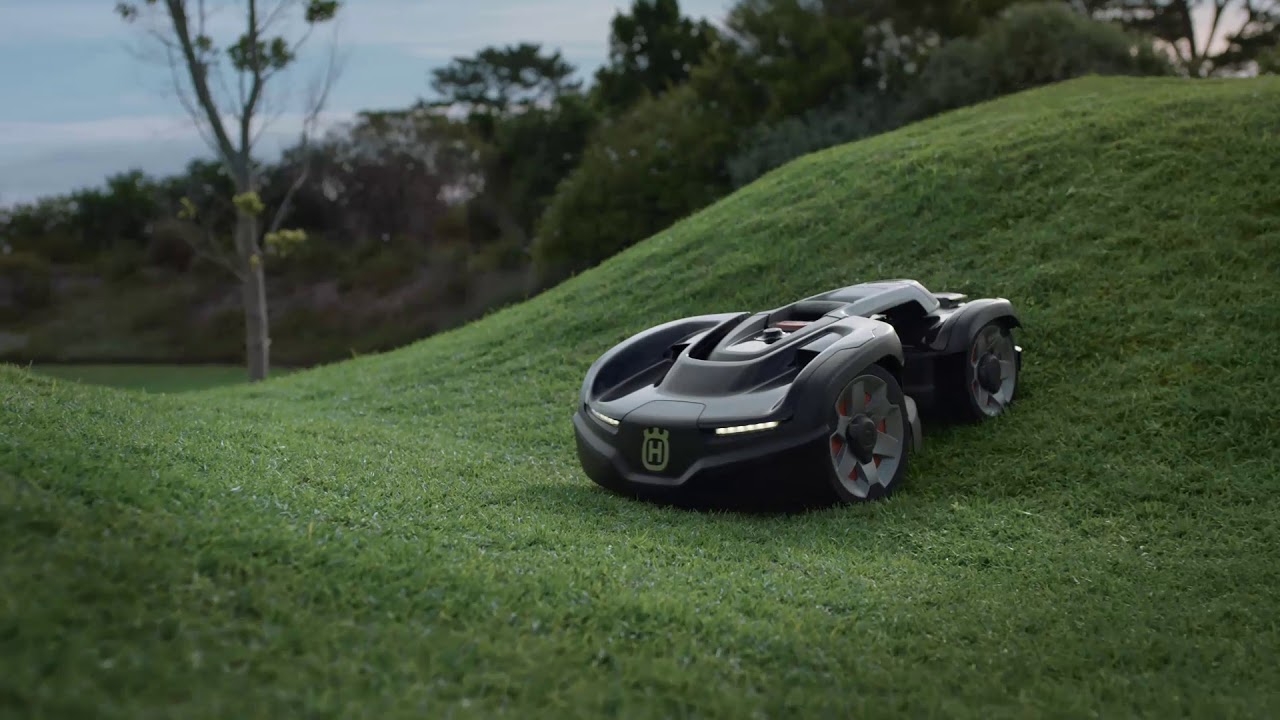
As the first phase of Advancing Humanity Towards Arcologies we can begin to develop the advanced robotics needed for Polyculture and Aquaponics by first developing and selling advanced consumer technology for Robotic Lawn Mowers.
This would serve to provide valuable experience in the following areas.
- Robotic Development and Testing
- Manufacturing and Distribution
Robotic Lawn Mowers Aren't Roombas
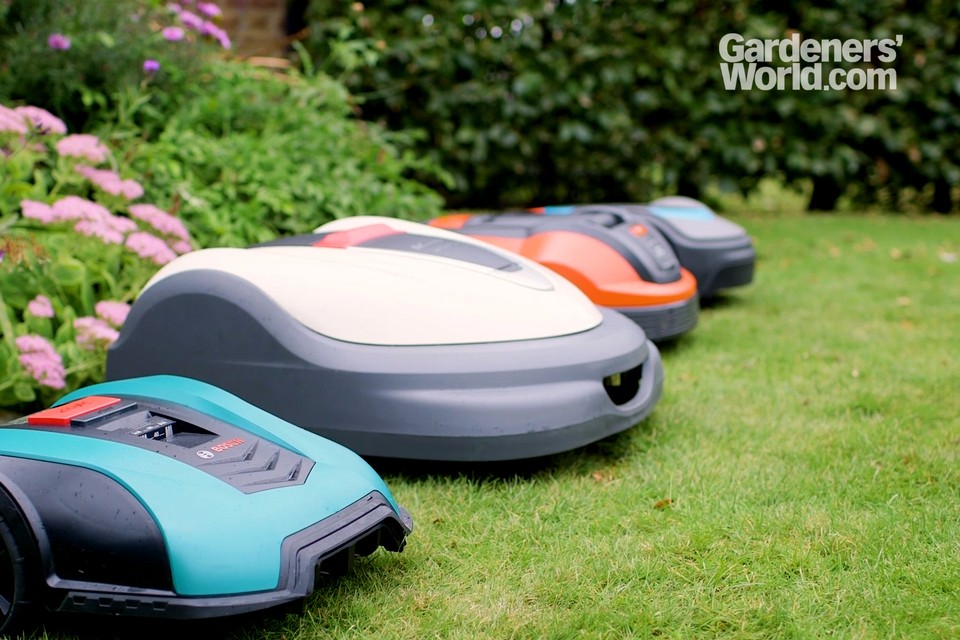
Many current lawn mowers suffer from the fact that they are taking robotic vacuum technology and attempt to apply it to lawn mowing. Because lawn mowers do not operate under walled confines or environmentally controlled areas, this technology is largely insufficient for the task and has led to a graveyard of failed attempts in the space.
Most robotic lawn mowers deployed to date have failed to live up to their promises.
We Approach Robotic Mowers Using First Principles Thinking

We aim to address the Robotic Lawn Mower market as a novel engineering challenge that lives outside the confines of cookie-cutter robotic vacuum technology.
We will apply First Principles Thinking to research and development of our robotic systems.
Robotic Mowers Today Have a Boundary Wire Problem
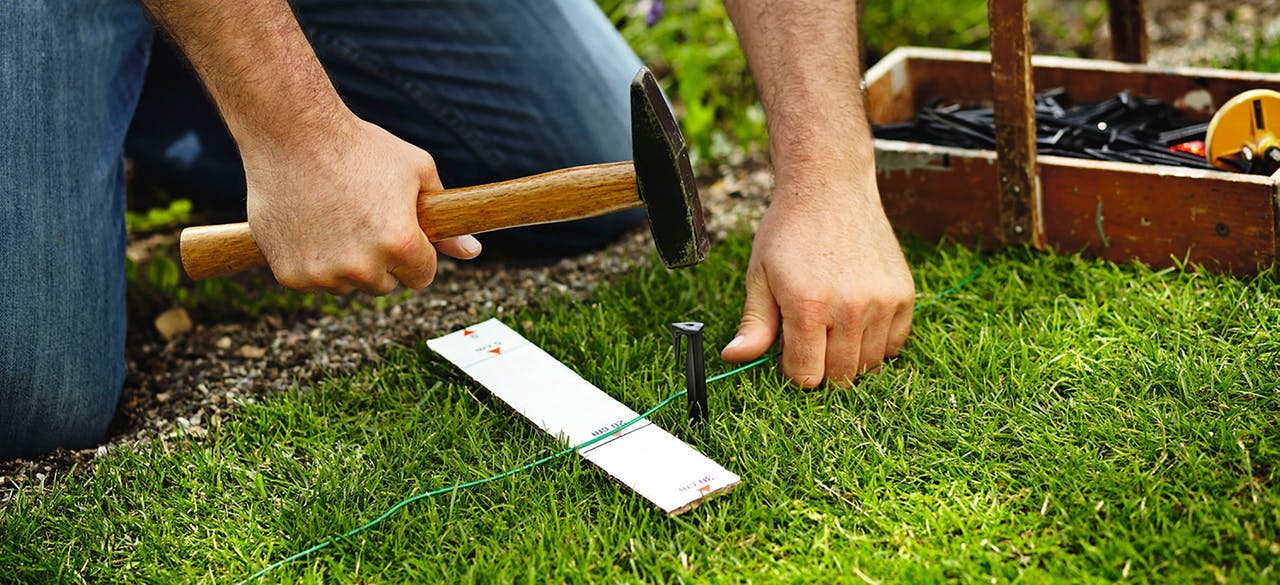
No robotic lawnmower on the market has had the capability to avoid animals, children, or the boundaries of a property. For this reason all robotic lawnmowers rely on a boundary wire to run along the length of your property to prevent the mower from going beyond those boundaries.
The process of setting up the boundary wire requires you to lay the wire along the length of the property and all obstructions. Once this has been done, the mower must be tested to ensure that the boundaries are accurately followed and if any issues arise, the boundary wire must be adjusted to accommodate. Once the boundary wire is verified to be in its correct place, the homeowner must dig a trench around the length of their property to bury the wire.
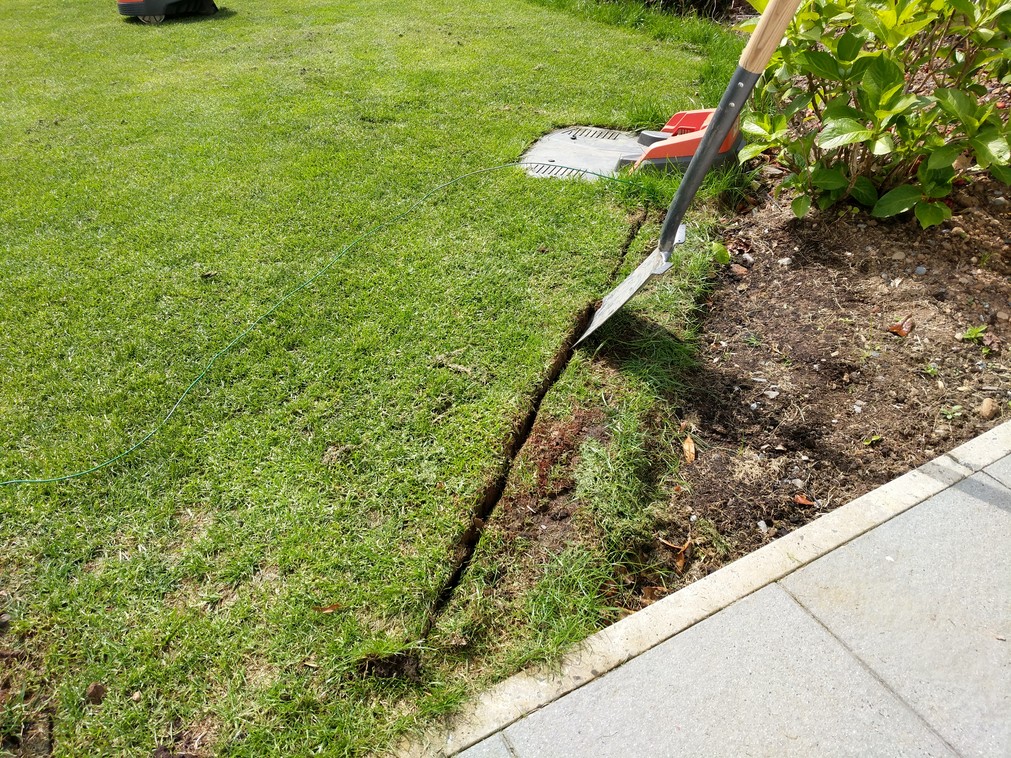
This requirement means that the owner can not immediately use and enjoy their new purchase and must instead be involved in a lengthy manual setup process.
A few lawn mower manufacturers have advertised the potential ability in the future to not make use of boundary wires, however due to the rudimentary technology being used, have not been able to deliver years later.
We Solve This Using Self Driving Technology and AI
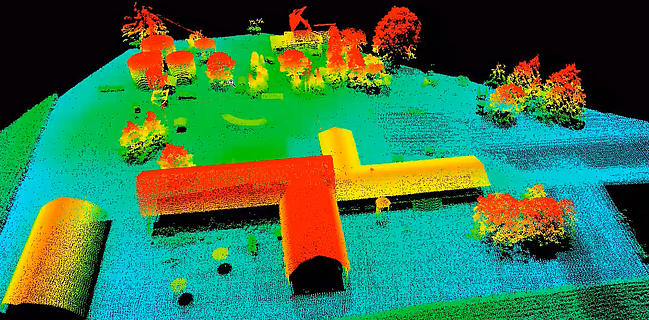
Instead of deploying antiquated mechanical mechanisms and radar sensors, we will deploy a multi-camera system backed by self driving technology to identify boundaries and avoid obstacles.
Our artificial intelligence systems will identify trees, rocks, bushes, foreign objects, garden beds, children, and many other obstacles.
Our Approach Unlocks 8 Other Advantages
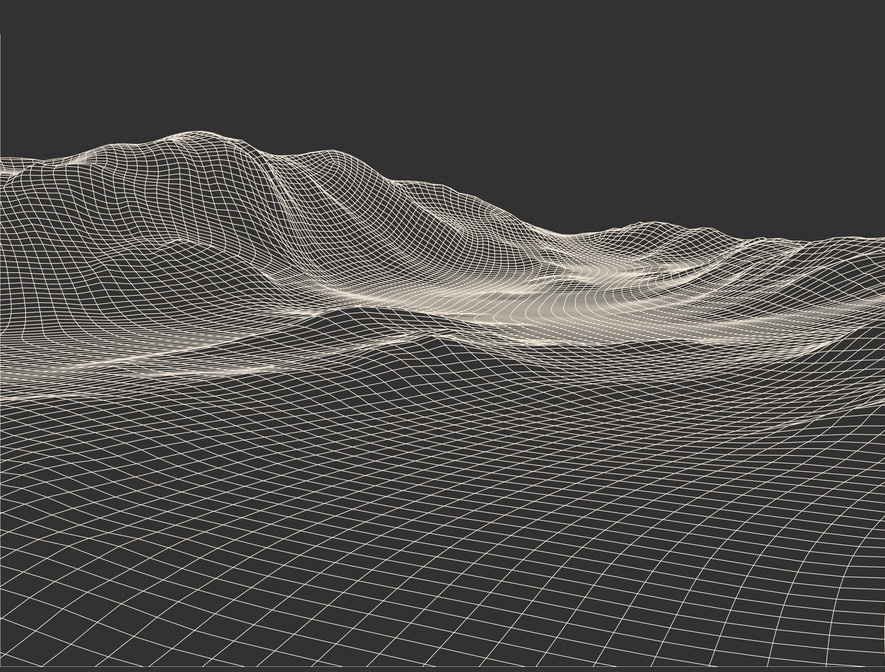
By having a multi-camera self-driving setup, we unlock a large number of new features and opportunities that outclass traditional mowers, including:
- Automatic Property Boundary Awareness (No Boundary Wire Necessary)
- Weather and Sprinkler system Awareness
- Topological Mapping of all Structures and Terrain
- Automatic Weed Detection
- Plant Identification and Classification
- Identification of Pests and Plant-based diseases
- Theft Detection and Prevention Before it Happens
- Lawn Health Reporting Dashboard
Constantly Improving Through OTA Updates
The addition of self driving technology will also allow us to deploy Over-The-Air updates to our mowers, delivering new features and improved performance to existing customers.
A Superior Landscaping Tool
In addition to some of the advancements in artificial intelligence and robotics we plan to take advantage of, we plan to also deliver a better lawn mower in general.
Key features include:
- Wide range of grass lengths
- No mechanical height adjustment
- Improved battery life
- Navigation of steep grade descents
- Automatic opening of garage doors
Anti-Theft Features
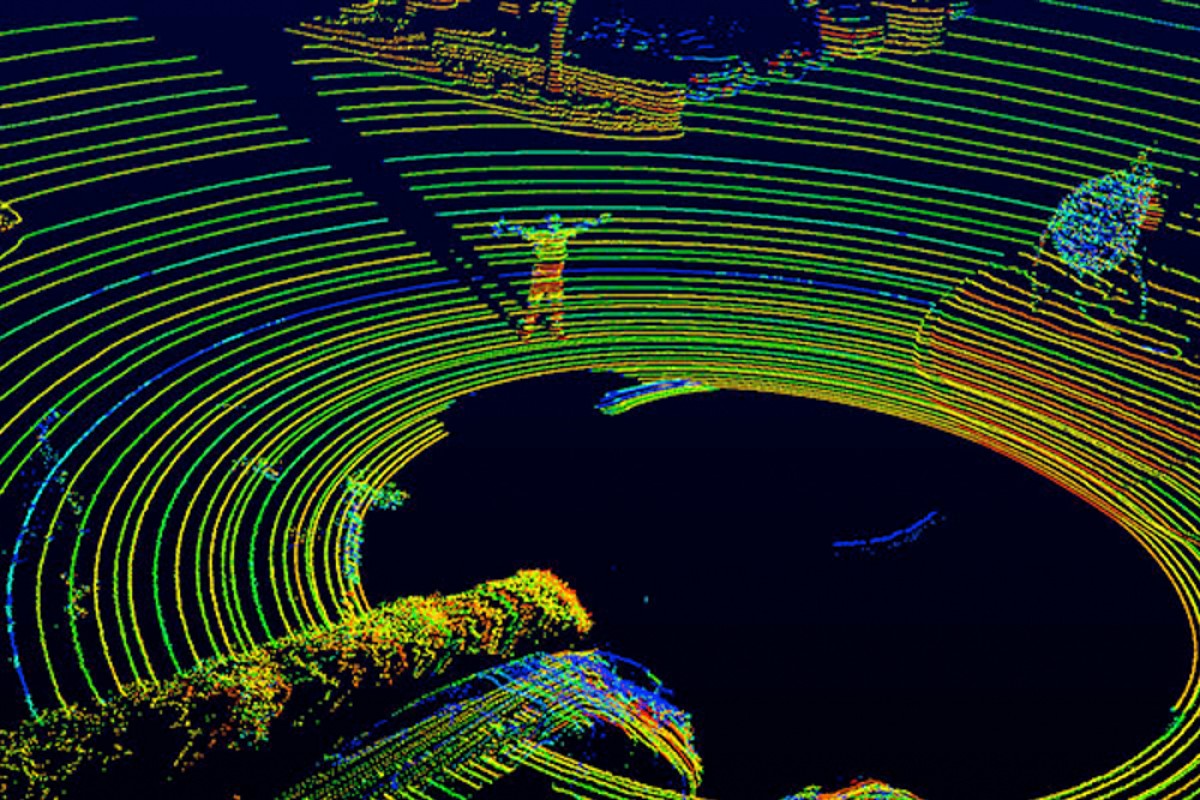
Theft is a major issue for robotic mowers. Their high prices and constant exposure outside makes them a prime target for thieves to simply pick them up and run away with them.
To address this problem, many manufacturers now include anti-theft alarms and GPS features. But these counter measures have ended up resulting in more incidents of vandalism, as the thieves tend to throw the expensive machinery to the side of the road once they become aware of the theft features.
To address this problem, our mower has the ability to open the garage door and dock itself inside, closing the garage behind itself. For those who need exterior docking, we provide sealed and locked docking stations to prevent theft.
Because our mower is built on an AI camera system approach, we can identify potential theft and sound an alarm before the event takes place.
This also provides an added benefit of reducing rust and exposure to the elements.
Smart Control of Sprinkler Systems
Our mower is able to integrate with a range of smart sprinkler systems, allowing it to enable or disable the systems prior to mowing, and/or introspect on the existing sprinkler schedule to determine optimal mowing times.
Our mower can also work in tandem with your smart sprinkler system providing valuable information on the moisture levels and health of the lawn, and automatically adjusting the sprinkler schedule to operate more efficiently on an as-needed basis.
The First Striping Mower

Because of the vacuum approach taken by the robotic mower market, all models move around in a random pattern leaving scribble marks in your lawn. Unlike the beautiful stripe patterns you may be use to seeing in a freshly mowed lawn.
Because our mower is aware of the topology and has an internal map of the landscape, this not only allows us to be the first mower to have striping capability, it also allows the user to personalize their lawn with a range of striping patterns to choose from.
Our Mowers are Built to Last
Most consumers can't put faith in the longevity of new robotic mower providers. They don't know how long the products will last or how long the manufacturer will stay in businesses.
Our mowers will be built toast and we will also provide a long warranty and a buyback program to give our customers confidence.
There Is A Lot or Opportunity In This Space
| Mower Type | Units Sold Annual |
|---|---|
| Manual | 5,000,000 |
| Motorized | 6,000,000 |
| Robotic | 50,000 |
Robotic mower growth is still relatively small in comparison to mainstream mowers, with an annual growth rate of 22%. Sales of robotic mowers are not expected to reach 53,000 until 2022 based on their current features and price points. We have a big opportunity to disrupt this sales momentum.
The total US mower market is estimated to reach $13B by 2024. With the global market expected to reach $43B by the year 2027.
Reducing Cost Through Direct to Consumer
Robotic mowers are still prohibitively expensive. The first approach to be taken to reduce these costs is to apply a direct to consumer sales funnel in the vein of Tesla. Eliminating retailer markup from the equation to provide the lowest feature-to-cost robotic mower on the market.
Reducing Cost Through Monetization
We can also reduce the cost burden by providing an opportunity to financially gain from your investment. Our robotic mower network can be hired to mow the lawns of neighbors and nearby properties for a pay-per-use or monthly membership fee. This capability could be provided through a separately branded app to order mowing services at a competitive price.
Reducing Cost Through Leasing
Another way to reduce the cost of our product could use the Peloton model by determining how much customers are willing to pay per month. We can provide a leasing program at no interest with free maintenance until the mower is purchased in full. This may also include an additional monthly fee to join the network or use other services.
Our IP Goes Beyond Mowing
The investments we make in this technology have uses beyond robotic mowers. Our IP also unlocks opportunities in:
- Agriculture
- Terrain Mapping
- Military Applications
While our business model to address the robotic mower market will provide a large return on investment in the short term, we will also have opportunities to larger returns on the longtail.
References
Referred in
If you think this note resonated, be it positive or negative, send me a direct message on Twitter or an email and we can talk.